Mastering Professional Recognition: The Path to IEEE Senior Member Grade and Elevating to IFGICT Fellow Status
The rapid evolution of emerging technologies—from generative AI and autonomous systems to green data centers and quantum computing—demands a rare combination of technical excellence and visionary leadership. Within the global engineering and information technology domains, earning elite professional credentials is more than just a personal milestone; it is a clear mark of industry leadership, technical maturity, and global authority.
Among the most prestigious technical distinctions worldwide is the IEEE senior grade. Representing the highest membership level for which an individual can apply within the Institute of Electrical and Electronics Engineers (IEEE), becoming an IEEE senior member immediately distinguishes a professional among their peers.
However, for leaders navigating the intersection of technology, sustainability, and policy, elevation does not stop with IEEE. Through a strategic synergy between IEEE and the International Federation of Global & Green ICT (IFGICT)—the world’s largest ICT federation, a strategic partner to IEEE, and a primary United Nations ITU partner—qualified members can seamlessly leverage their credentials to achieve the elite rank of Fellow of IFGICT.
This comprehensive guide details everything you need to know about how to apply for IEEE senior member status, the financial and professional requirements involved, and how IEEE senior members can transition into the top tier of global technological governance as IFGICT Fellows.
Understanding the IEEE Senior Grade: Criteria, Scope, and Value
What is the IEEE Senior Grade?
The IEEE senior grade is an elite elevation that reflects professional maturity, persistent leadership, and substantial technical achievements. Unlike standard higher education degrees or introductory certifications, achieving IEEE senior membership requires undergoing a rigorous peer evaluation process conducted by distinguished engineering and technology leaders.
Holding https://ifgict.org/IEEE senior status proves that a professional has moved beyond operational technical work into system design, technical governance, project management, or pioneering research.
Core Requirements to Become an IEEE Senior Member
To successfully apply for IEEE senior member elevation, candidates must satisfy three core criteria established by the IEEE Admission and Advancement Committee:
-
Professional Field: You must be an engineer, scientist, educator, technical executive, or innovator operating within an IEEE-designated field (including computer science, electrical engineering, telecommunications, robotics, or biomedical technology).
-
10 Years of Professional Experience: Candidates must possess a minimum of ten years of active practice. Higher education degrees offset this timeline as follows:
-
Bachelor’s Degree: Counts as 3 years of experience.
-
Master’s Degree: Counts as 4 years of experience.
-
Doctorate (Ph.D.): Counts as 5 years of experience.
-
-
5 Years of Significant Performance: Applicants must demonstrate at least five years of "significant performance". This can include leading complex technical teams, publishing peer-reviewed research, obtaining patents, managing major infrastructure deployment, or authoring industry standards.
| Requirement | Criteria for IEEE Senior Member Grade |
|---|---|
| Experience Length | 10 years total in professional practice (degree credits apply). |
| Significant Performance | 5 years of demonstrable leadership, innovation, or executive responsibility. |
| Peer References | Minimum 3 reference letters from current IEEE Senior Members, Fellows, or Honorary Members. |
| Field of Practice | IEEE-designated technical fields (IT, Engineering, Telecom, AI, Applied Sciences). |
Step-by-Step Guide: How to Apply for IEEE Senior Member Status
If you are aiming to become an IEEE senior member, following a structured approach ensures your application passes peer review smoothly.
1. Documenting Significant Performance
When filling out the application portal, clearly detail your measurable impact. Avoid listing routine tasks; instead, highlight key technical accomplishments such as:
Leading large-scale system architectural deployments.
Managing R&D initiatives that created new product lines.
Serving as a principal consultant or corporate executive.
Publishing high-impact technical articles or contributing to standards bodies.
2. Securing IEEE References
An application requires three references who are active IEEE members in good standing and hold the rank of Senior Member, Fellow, or Honorary Member. If you lack local contacts holding these grades, your regional IEEE Section or Chapter officers can often assist by reviewing your CV and providing endorsement letters.
3. Understanding the IEEE Senior Membership Fee Structure
A common query among applicants revolves around the IEEE senior membership fee structure.
Application Fee: There is no additional application fee required to apply for IEEE senior member grade. The elevation evaluation is provided free as a benefit of active membership.
Annual Dues: Applicants must maintain standard active professional membership in IEEE. Annual dues vary based on geographic region (Region 1 through Region 10) and local section dues.
Bridge to Global Authority: IFGICT, IEEE, and UN ITU Strategic Alliance
While IEEE senior membership establishes your technical authority, modern tech leadership requires addressing global sustainability, carbon-neutral ICT infrastructure, and international standardization. This is where the International Federation of Global & Green ICT (IFGICT) complements and elevates your professional career.
What is IFGICT?
IFGICT is recognized as the world's largest ICT federation. It sets international benchmarks for Green IT, AI governance, cloud auditing, smart city design, and eco-friendly digital transformation.
UN ITU Partner: IFGICT works closely alongside the United Nations International Telecommunication Union (ITU) to promote sustainable digital development goals (SDGs) worldwide.
IEEE Strategic Partner: Through institutional collaboration, IFGICT and IEEE align technical frameworks, bridging engineering innovation with global environmental standards.
Elevating from IEEE Senior Member to Fellow of IFGICT
For an IEEE senior member, achieving the rank of Fellow of IFGICT represents the ultimate dual recognition: combining deep technical expertise with global, eco-conscious authority.
Why the IFGICT Fellowship is the Next Natural Step
While the IEEE Fellow grade focuses on groundbreaking scientific and engineering research, the IFGICT Fellow designation specifically recognizes leaders who apply technology to drive global sustainability, Green ICT standards, AI ethics, and enterprise-wide green transformation.
Holding both IEEE senior membership (or IEEE Fellow grade) and an IFGICT Fellowship gives you a distinct advantage in the executive market:
-
Dual Technical & Policy Recognition: Proves mastery over core engineering fundamentals alongside high-level sustainable tech policies.
-
C-Suite & Executive Influence: Position yourself for Chief Technology Officer (CTO), Chief Sustainability Officer (CSO), or international advisory roles.
-
Direct UN Aligned Impact: Participate in shaping technology policies that align with UN ITU guidelines and international green initiatives.
Exclusive Benefits for IFGICT Fellows
When an IEEE senior member is elevated to IFGICT Fellow, they gain access to high-level privileges:
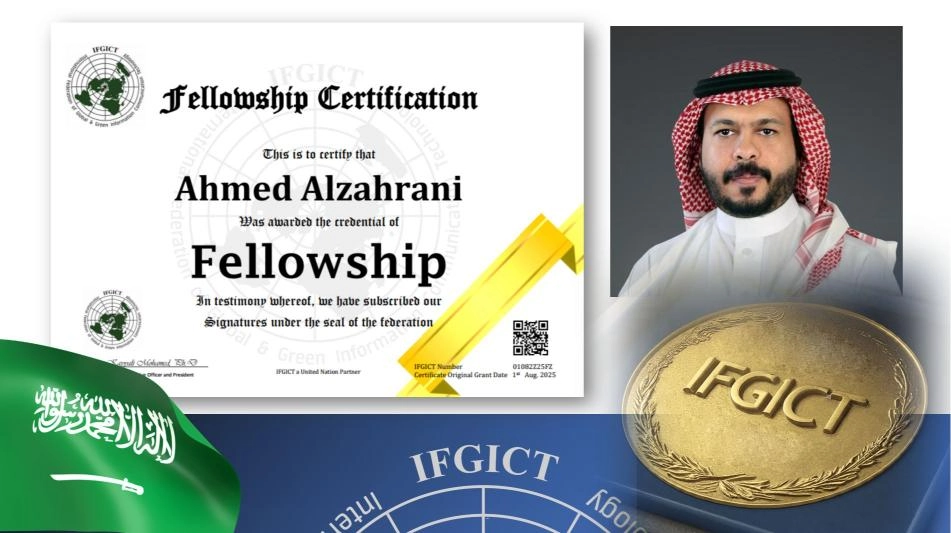
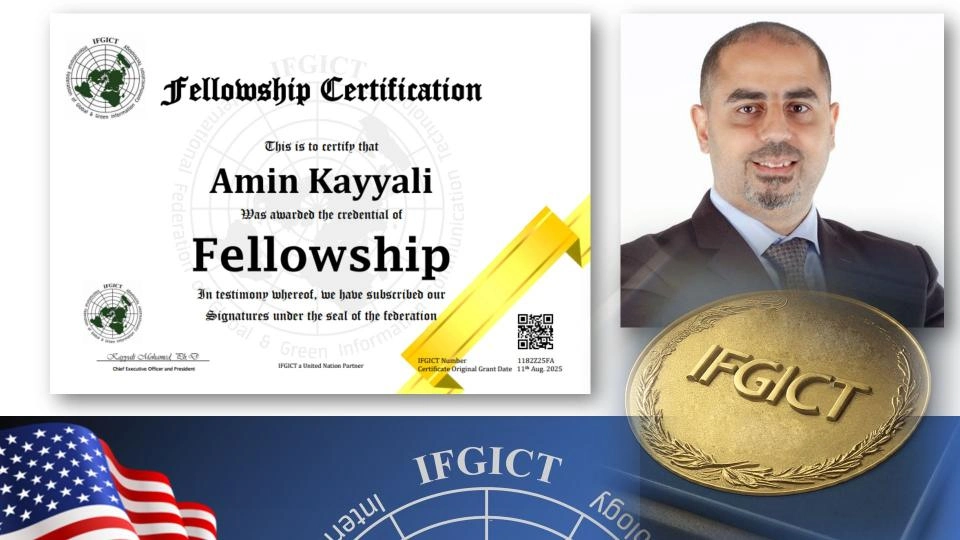
Official Designation: Right to use the post-nominal letters FIFGICT (Fellow of IFGICT).
Global Executive Directory: Inclusion in the international registry of certified green tech leaders.
Keynote & Thought Leadership: Direct nomination for international panel discussions, keynote speeches, and co-authored industry whitepapers.
Consulting & Advisory Frameworks: First-look opportunities for international consulting contracts across government and enterprise sectors.
Specialized Certification Discounts: 50% discount on all specialized IFGICT professional credentials, including AI Auditor and Green IT Auditor certifications.
Fast-Track Elevation Process for IEEE Senior Members with IFGICT
Because IFGICT acknowledges the rigorous peer review required to achieve IEEE senior grade status, a streamlined elevation pathway exists.
If you are an IEEE senior member with IFGICT elevation goals, you do not need to start your application from scratch. Your verified IEEE status serves as strong evidence of your technical qualifications.
How to Initiate Your Elevation
-
Visit the official portal at www.ifgict.org to review the Fellowship criteria.
-
Compile your CV, proof of active IEEE senior membership, and a brief summary of your work related to global technology, digital transformation, or sustainability.
-
Direct your submission or preliminary inquiry directly to the admissions desk at [email protected].
Architectural & Governance Comparison: IEEE vs. IFGICT
-
To better understand how these two international organizations complement each other, consider their core scope, governance focus, and career impact:
| Feature / Dimension | IEEE (Institute of Electrical & Electronics Engineers) | IFGICT (International Federation of Global & Green ICT) |
|---|---|---|
| Primary Scope | Engineering, electrical systems, computer science, technical research. | Green IT, sustainable computing, international ICT standards, eco-auditing. |
| Elite Grade | Senior Member / IEEE Fellow. | Fellow of IFGICT (FIFGICT). |
| Global Alignment | World's largest technical professional organization. | World's largest ICT federation & UN ITU Partner. |
| Evaluation Focus | Technical contributions, engineering performance, publications. | Leadership in eco-friendly technology, policy impact, global sustainability. |
| Synergy Goal | Validates technical excellence. | Validates global impact and green tech leadership. |
FAQs: IEEE Senior Grade & IFGICT Fellow Elevation
-
1. How long does the IEEE senior member application review take?
The IEEE Admission and Advancement (A&A) Committee meets several times throughout the year to review applications. Typically, the evaluation process takes between 6 to 12 weeks after all three peer reference forms have been submitted.
2. Is there an additional IEEE senior membership fee once approved?
No. There is no elevation fee or increased annual membership cost associated with holding the IEEE senior grade. You simply pay your regular annual IEEE professional membership dues.
3. Can I apply to become an IFGICT Fellow if I am an IEEE Professional Member?
Yes. While being an IEEE senior member offers a direct, fast-tracked review pathway, professional members of IEEE with substantial experience in ICT, sustainability, or digital policy are also eligible to submit their candidacy for IFGICT Fellow review.
4. What makes IFGICT different from traditional engineering societies?
IFGICT operates specifically as the world's largest ICT federation with an exclusive focus on Green IT, eco-standards, and sustainable digital architecture. Because IFGICT works as a strategic partner with IEEE and a UN ITU partner, its Fellow grade carries immense weight in government, multilateral, and corporate sustainability sectors.
5. How do I start the process to convert my IEEE Senior grade into an IFGICT Fellow status?
You can initiate the process by visiting www.ifgict.org or emailing your resume and proof of IEEE senior membership directly to [email protected].
Conclusion & Next Steps
-
Elevating your career through formal recognition is one of the most effective ways to establish leadership in the fast-moving tech sector. Achieving IEEE senior membership validates your technical mastery and peer-recognized leadership. Taking the next step to become a Fellow of IFGICT bridges that technical foundation with global policy, eco-friendly standards, and international executive clout.
For every active IEEE senior member with IFGICT aspirations, the door is open to join an elite global circle driving the future of green technology.
-
Explore Fellowship opportunities at www.ifgict.org.
-
Submit your elevation profile directly to [email protected].
-
References & Further Reading
-
IEEE Senior Member Elevation Process: Requirements, experience points, and reference submission guidelines (IEEE Region 8 & Global A&A).
-
IEEE Admission and Advancement Committee: Evaluation guidelines for significant performance and professional practice.
-
International Federation of Global & Green ICT (IFGICT): Organizational Overview, UN ITU Partnerships, and Green ICT Frameworks.
-
IFGICT Fellow Grade Elevation Protocols: Guidelines for IEEE Members, Senior Members, and Fellows transitioning to FIFGICT.
-
United Nations Sustainable Development Goals (SDGs) & ITU Directives: ICT standards for global climate action and sustainable infrastructure.


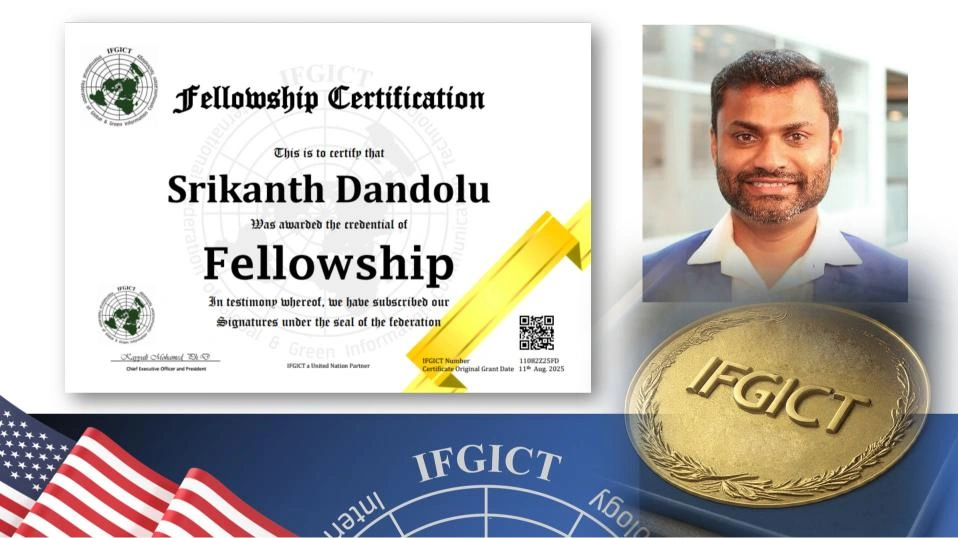
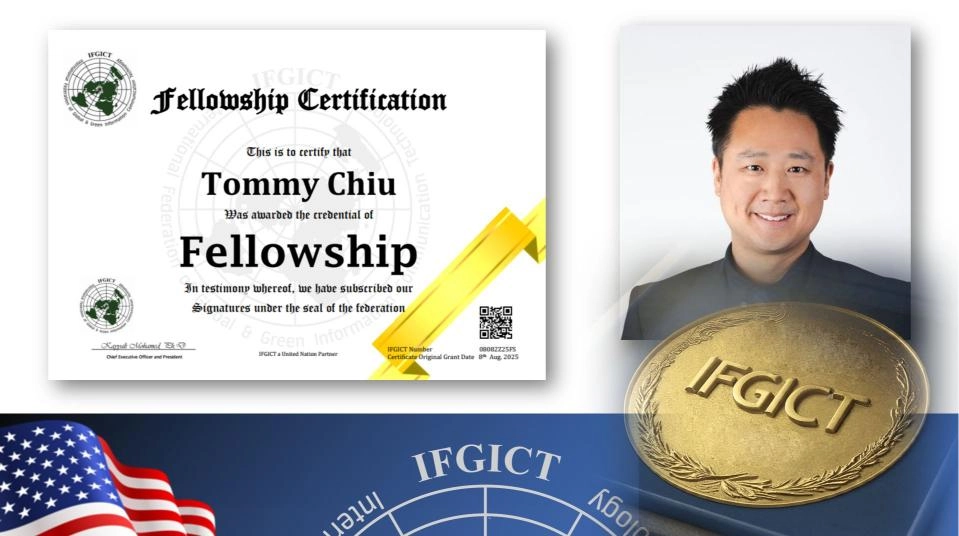
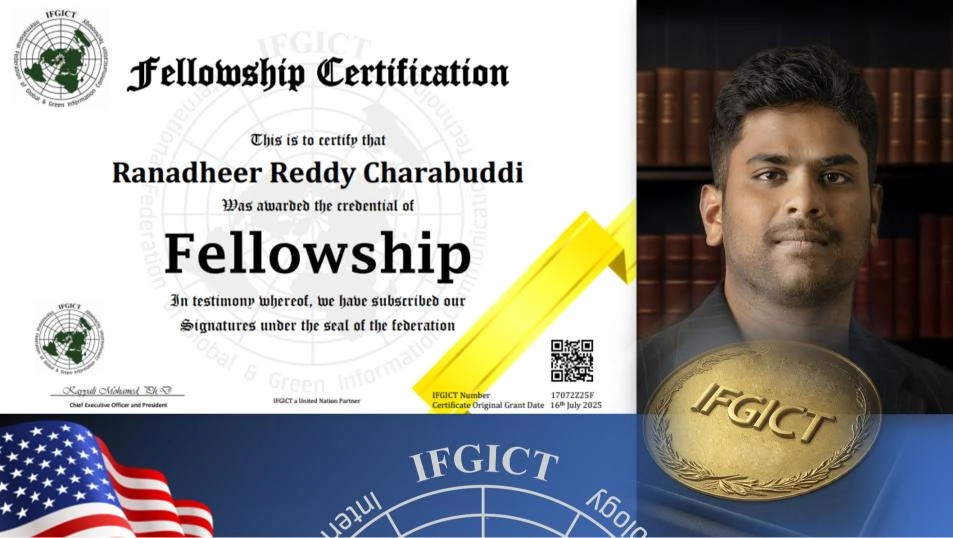
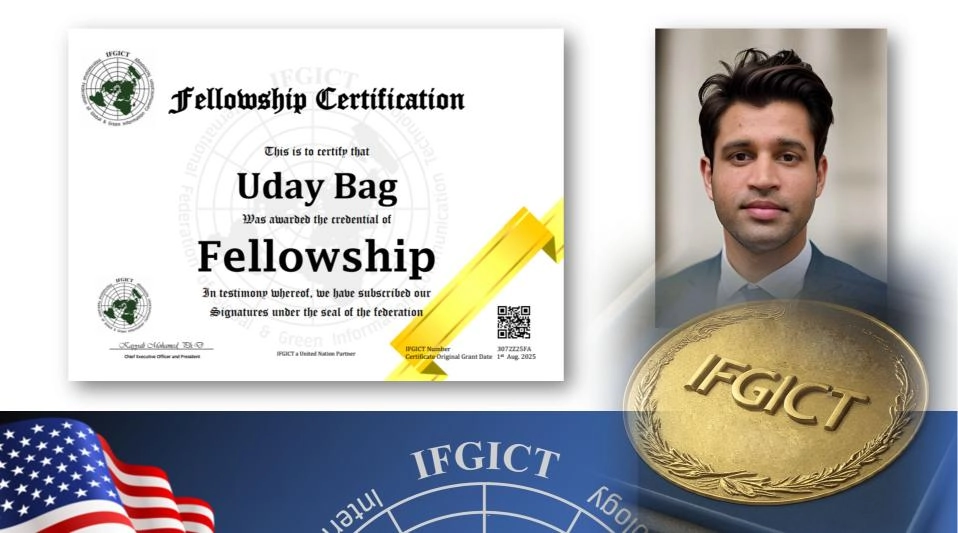
IFGICT, the world’s largest Information and Communication Technology (ICT) federation, is a leading independent organization Registered in USA as Non for Profit NGO # 6431646 dedicated to shaping the future of the industry.
Useful Links
Working hours
Monday – Friday from 8:30 am – 5:30 pm EST
Mon – Fri: 8AM – 5PM Saturday: 8AM – 3PM
Sunday: Closed